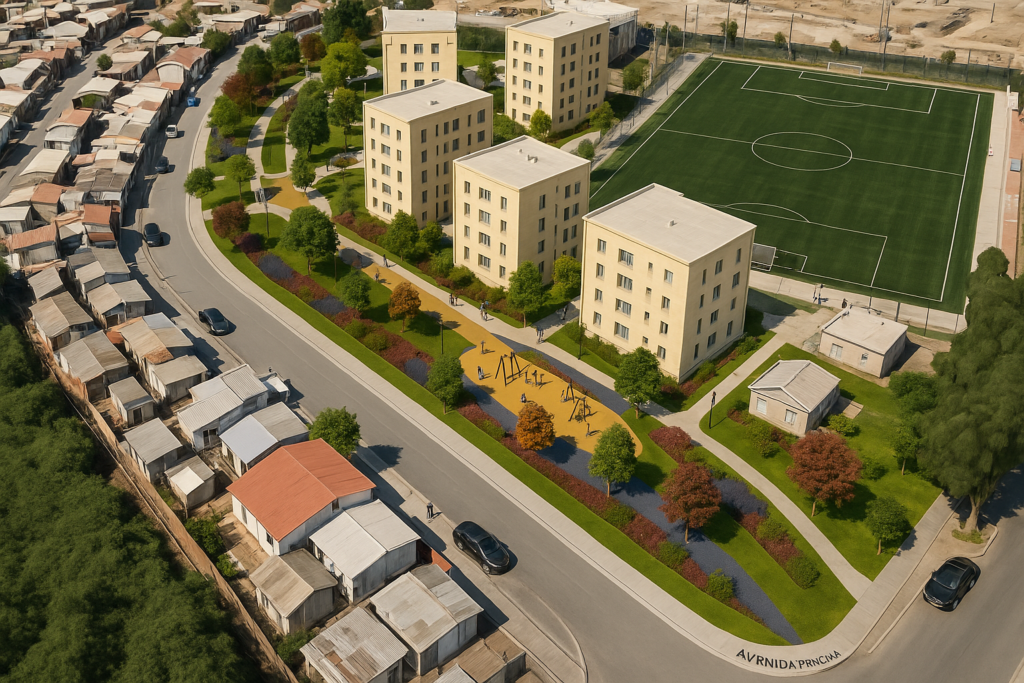
The renovation of Parque Aníbal Pinto was developed as a direct response to the needs, concerns, and aspirations of the local community. More than a physical upgrade, the proposal understands the park as a key piece of public infrastructure and a central space for everyday social life.
The design process was grounded in community participation. Through a neighborhood workshop, residents shared their experiences, problems, and expectations, which became the foundation for both the project objectives and design decisions. The goal was clear: to transform the park into a safer, more welcoming, and more functional space for all ages.
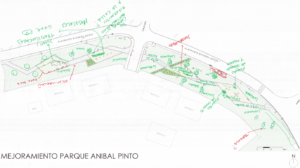
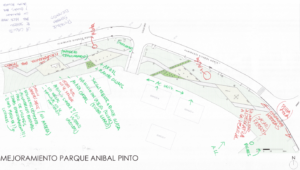
Existing Conditions
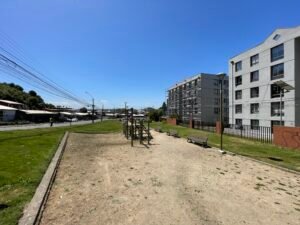
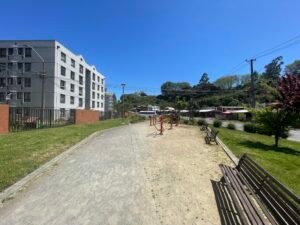
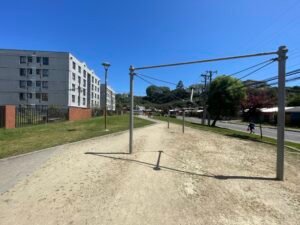
The park currently presents several challenges that limit its use and accessibility. Circulation paths suffer from uneven surfaces and potholes, becoming particularly problematic during winter. There is a lack of shaded areas and mature trees, reducing comfort during warmer months. Children’s playgrounds are located too close to vehicular circulation, creating safety concerns. In addition, poor connectivity with nearby public transport stops, limited green variety, and deteriorated urban furniture weaken the overall experience of the space.
Design Proposal
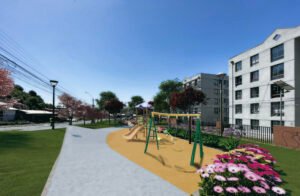
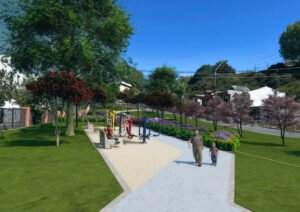
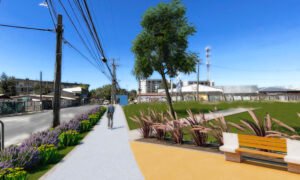
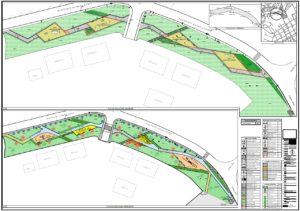
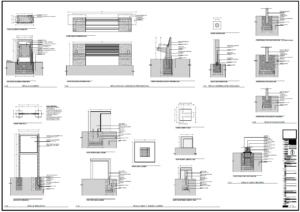
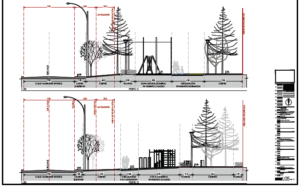
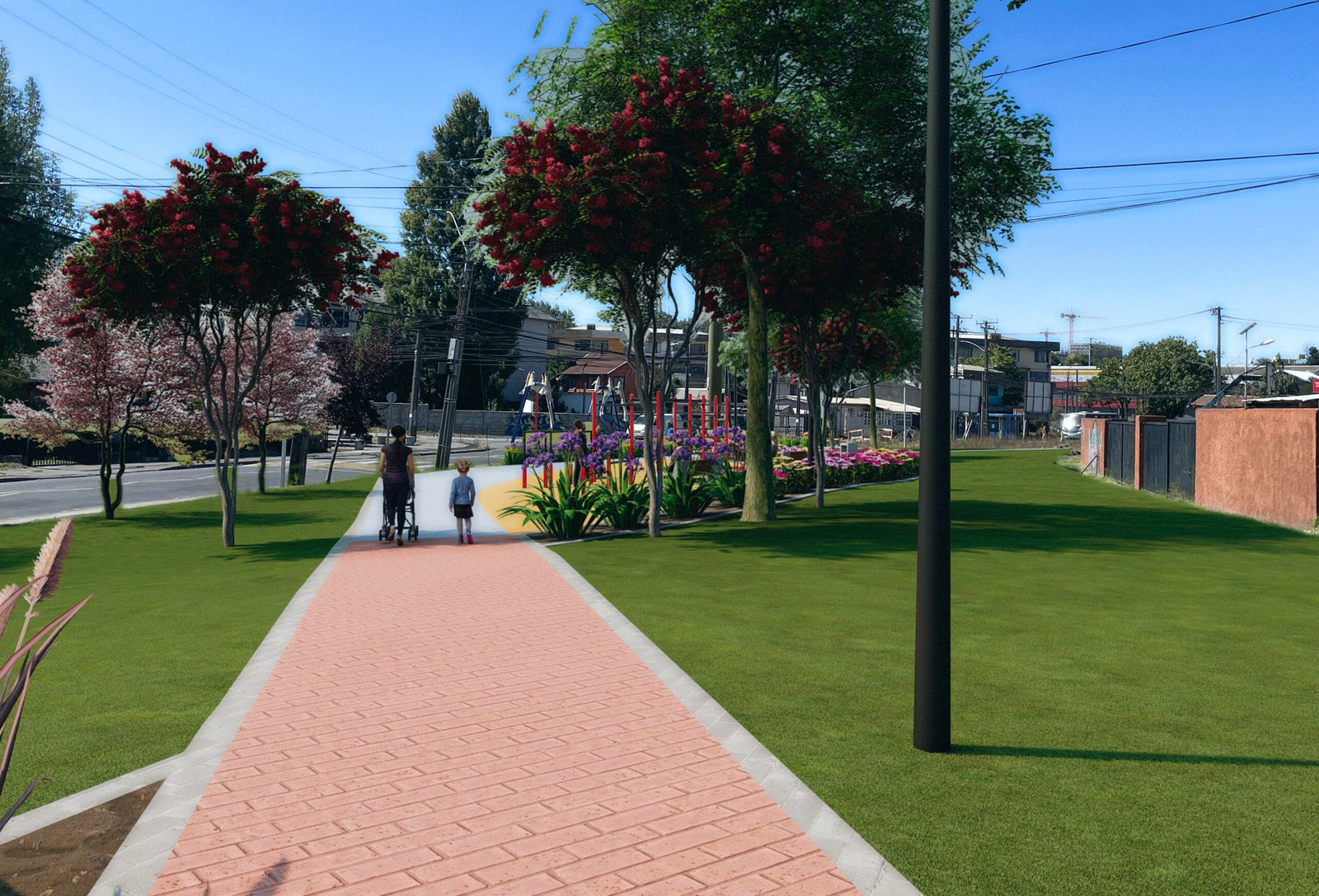
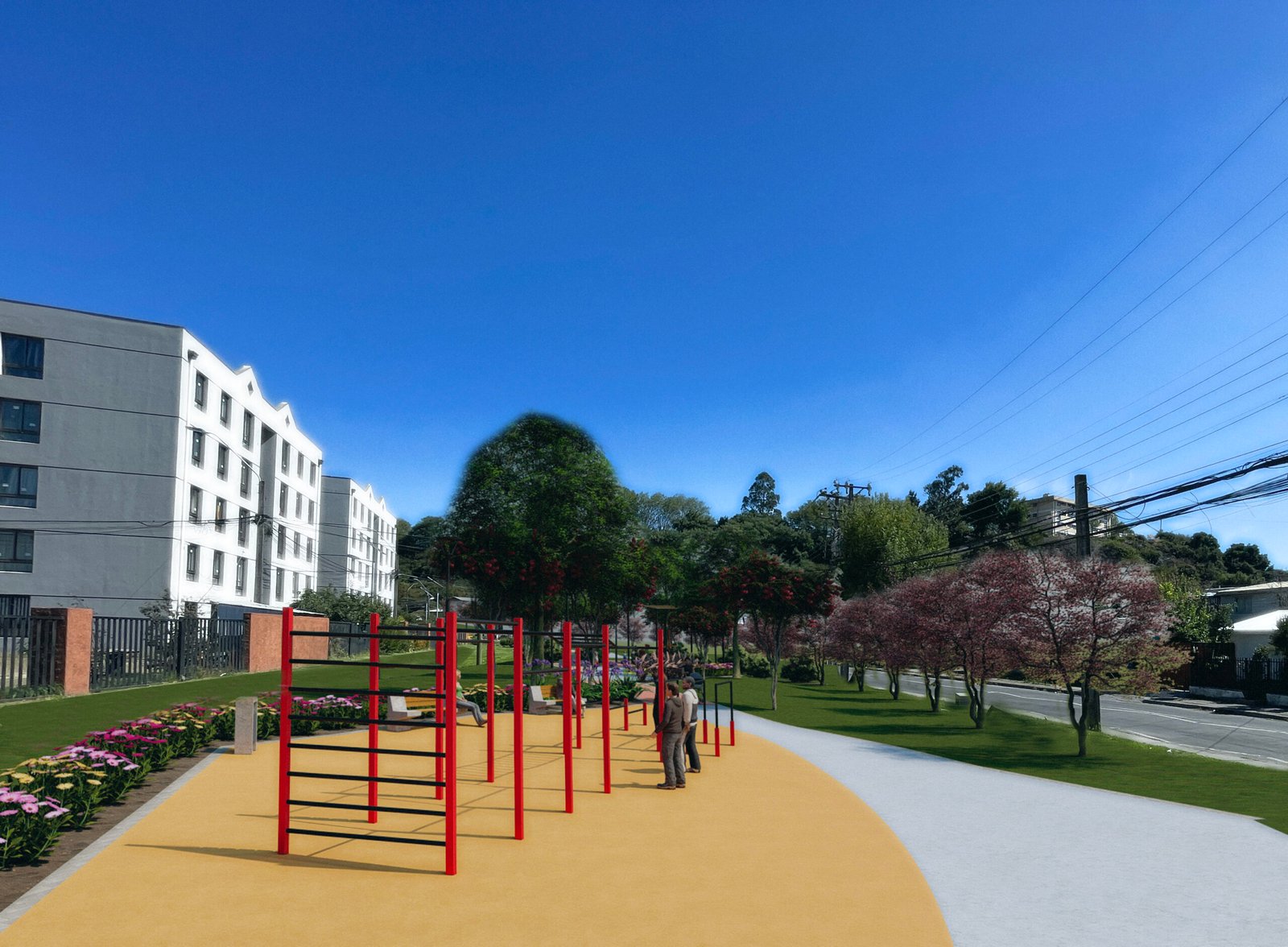
The renovation proposes a comprehensive improvement of the park’s structure, landscape, and usability. Green areas are renewed with a more diverse planting strategy, combining low-height vegetation along circulation paths, a line of medium-height trees along the street edge, and taller trees within the park to provide shade and define gathering spaces.
New pedestrian circulations are introduced using durable, accessible paving, improving connectivity and eliminating level differences. Inclusive children’s playgrounds are relocated and redesigned to ensure safety and accessibility, while new resting areas and seating zones encourage longer stays and social interaction.
Lighting is upgraded to improve nighttime safety, and the overall layout prioritizes visibility and clear boundaries. The park is conceived as a calm, green interior protected from surrounding traffic, yet well connected to its urban context.
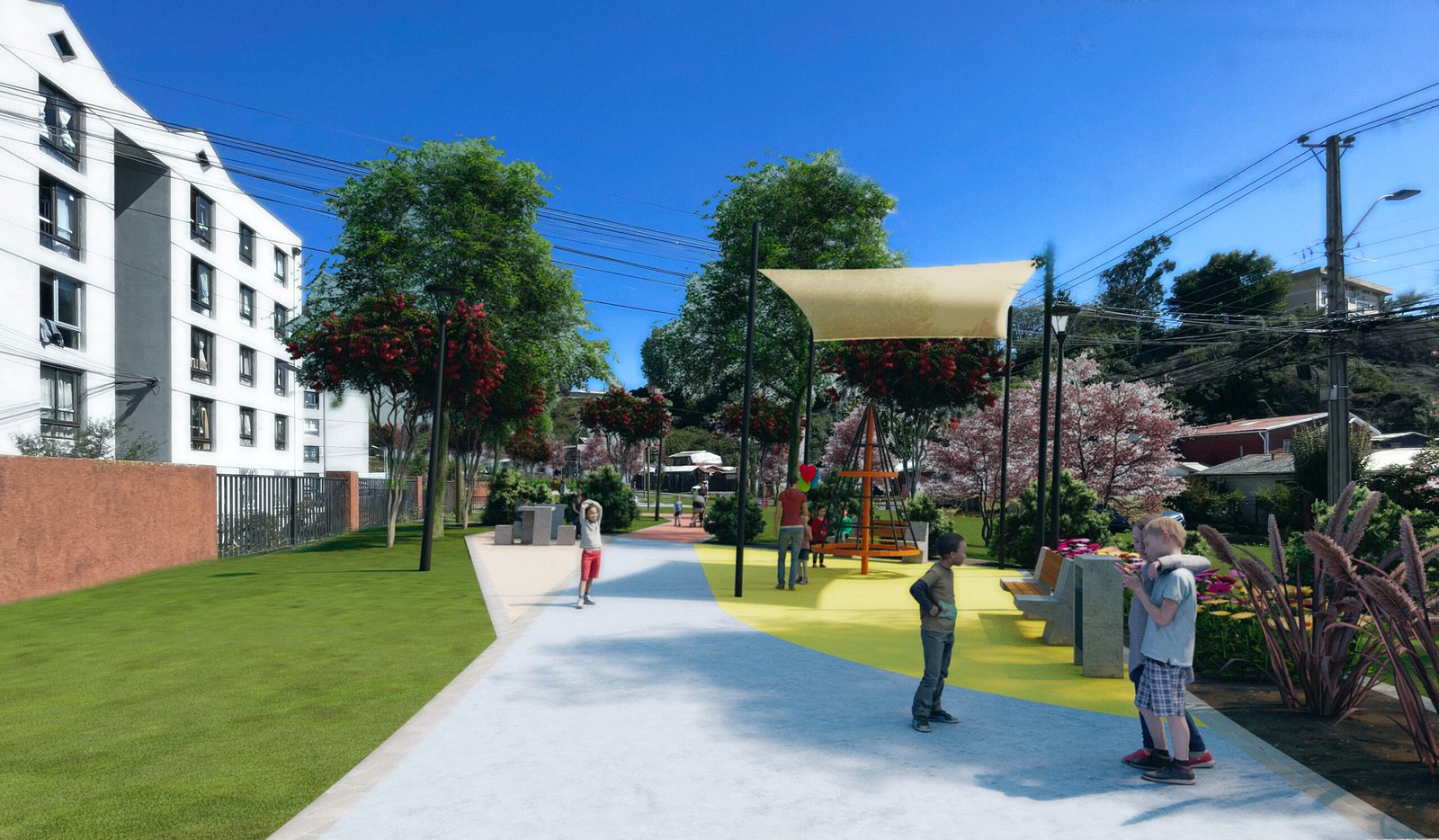
A Shared Space
Ultimately, this project seeks to reinforce the park’s role as a shared public space—one that reflects the voices of its neighbors and supports daily activities, play, rest, and community life in the city of Concepción.