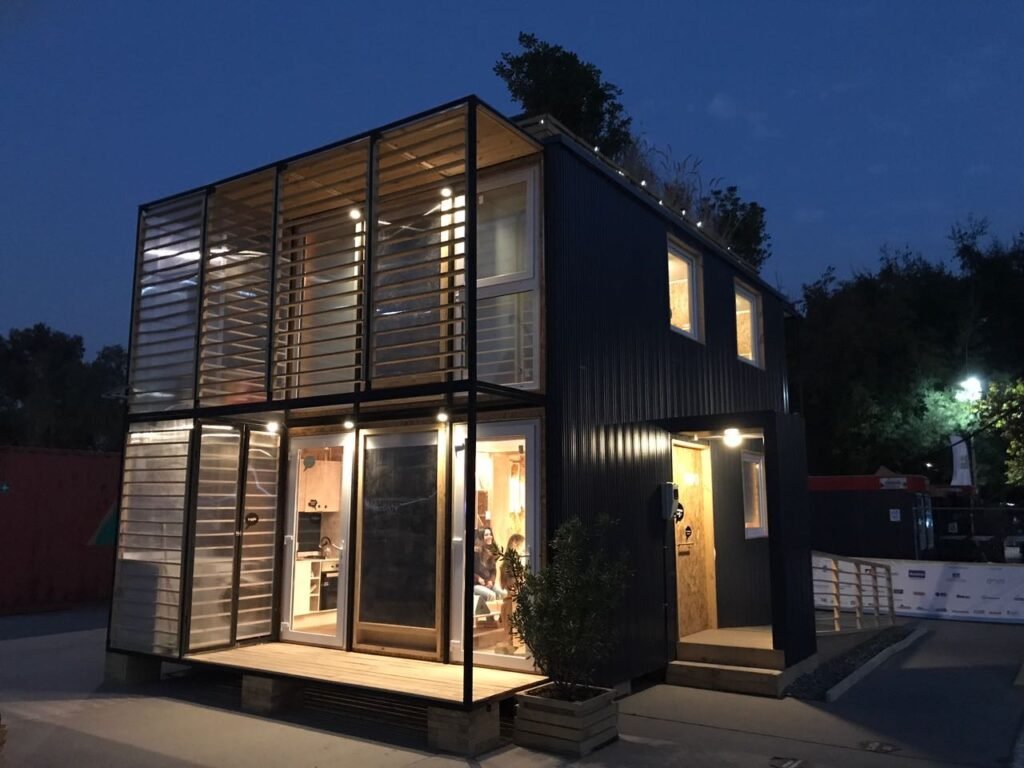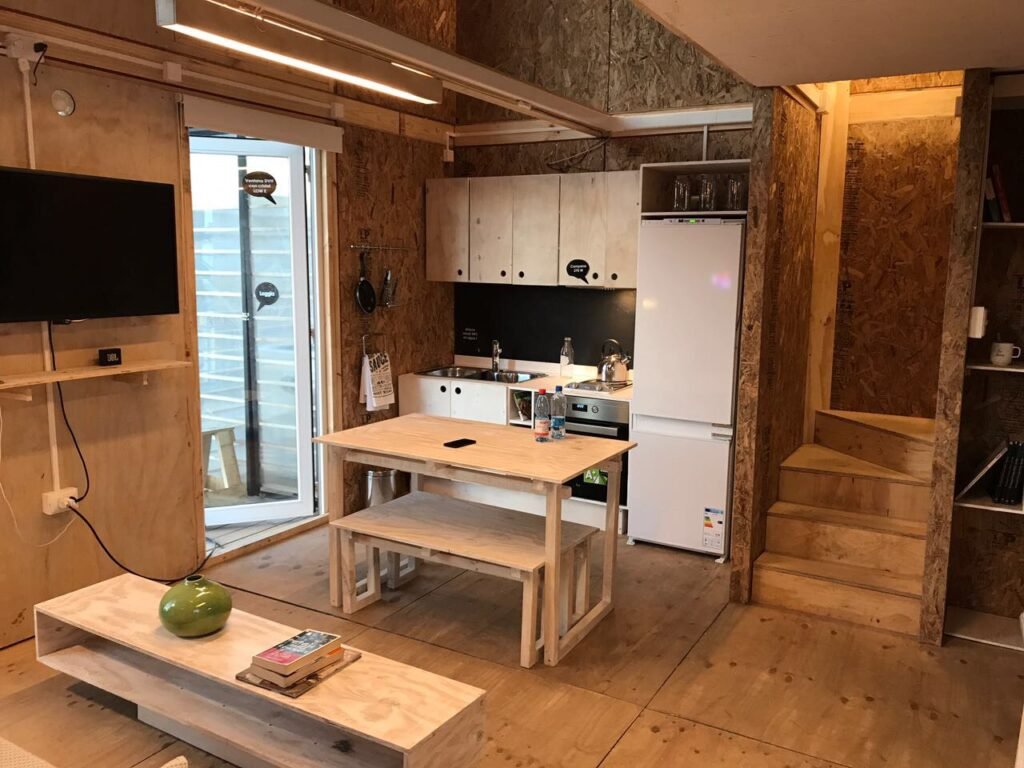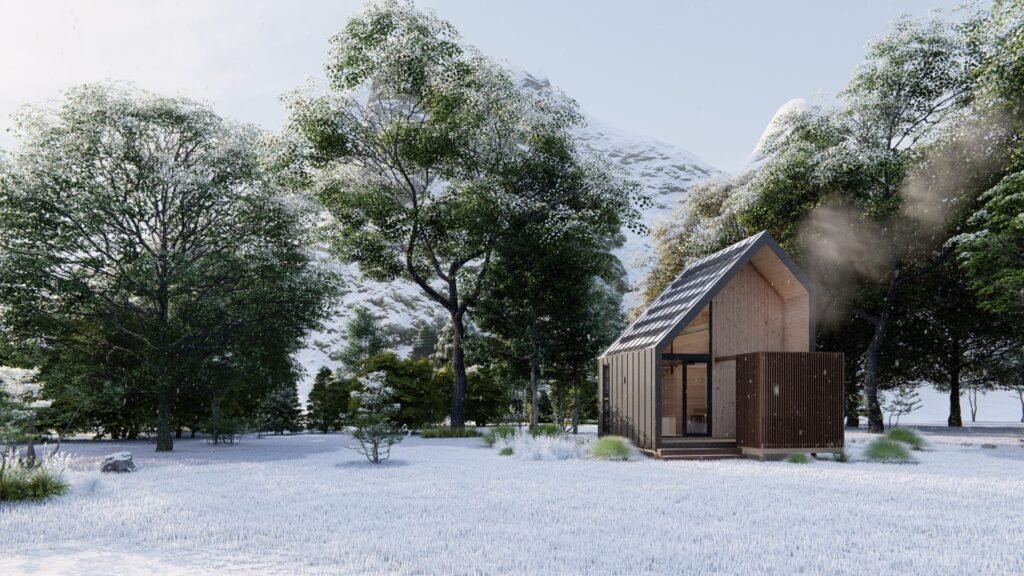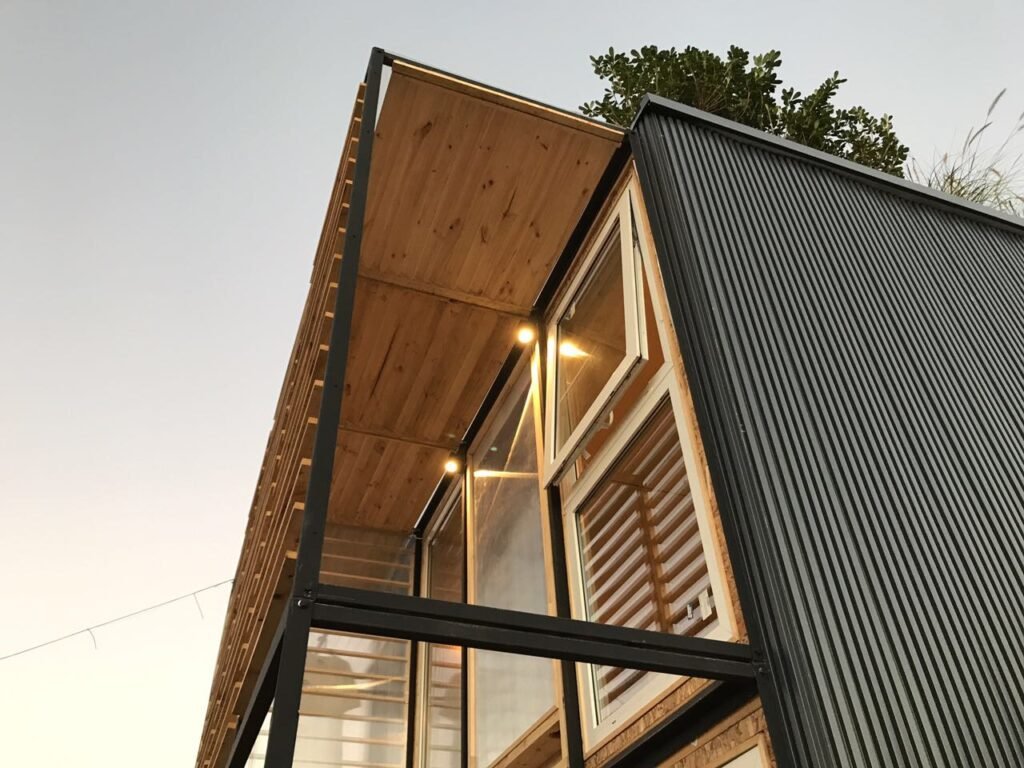
Casa S3 is an award-winning sustainable social housing prototype developed as a thesis project and awarded 1st Place in the Construye Solar Competition. The project was later exhibited nationally in Santiago, becoming part of a public discussion on affordable and environmentally responsible housing in Chile.
The project was developed over a 16-month process, combining research, design, technical development, construction, and public exhibition. This extended timeline allowed the team to move beyond speculative design and engage directly with material, environmental, and social constraints.
As team coordinator of a four-member interdisciplinary group, I led the design process while coordinating construction, logistics, and collaboration across disciplines. The project emphasized hands-on implementation as a core learning and design tool, bridging academic research with real-world execution.
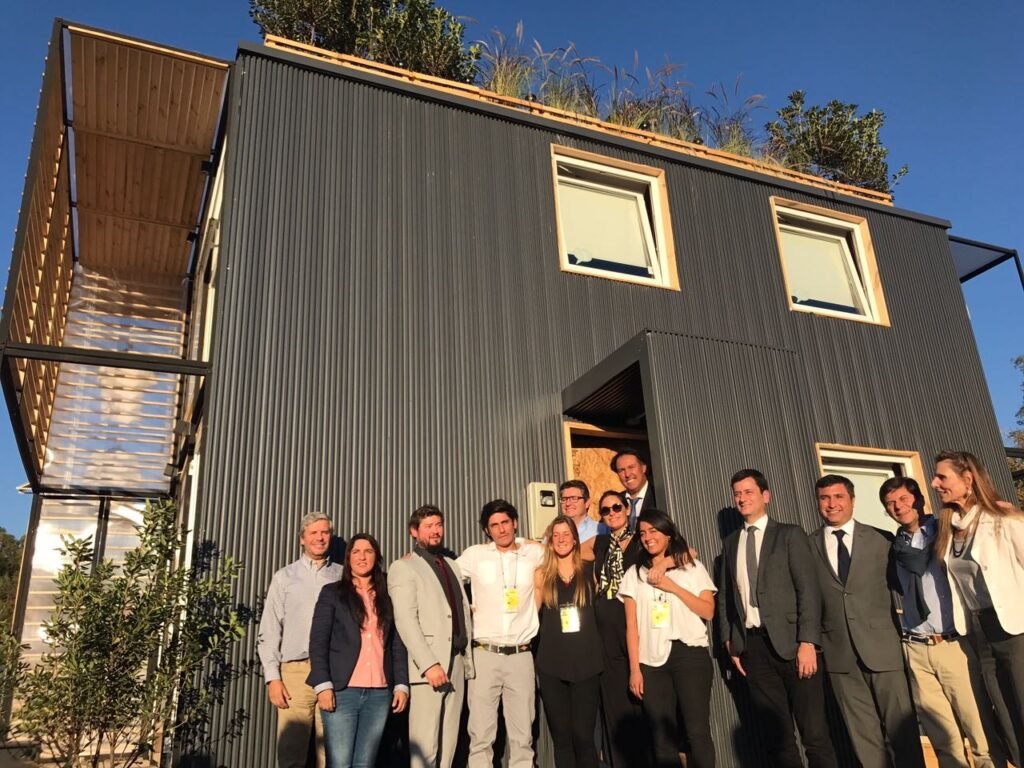
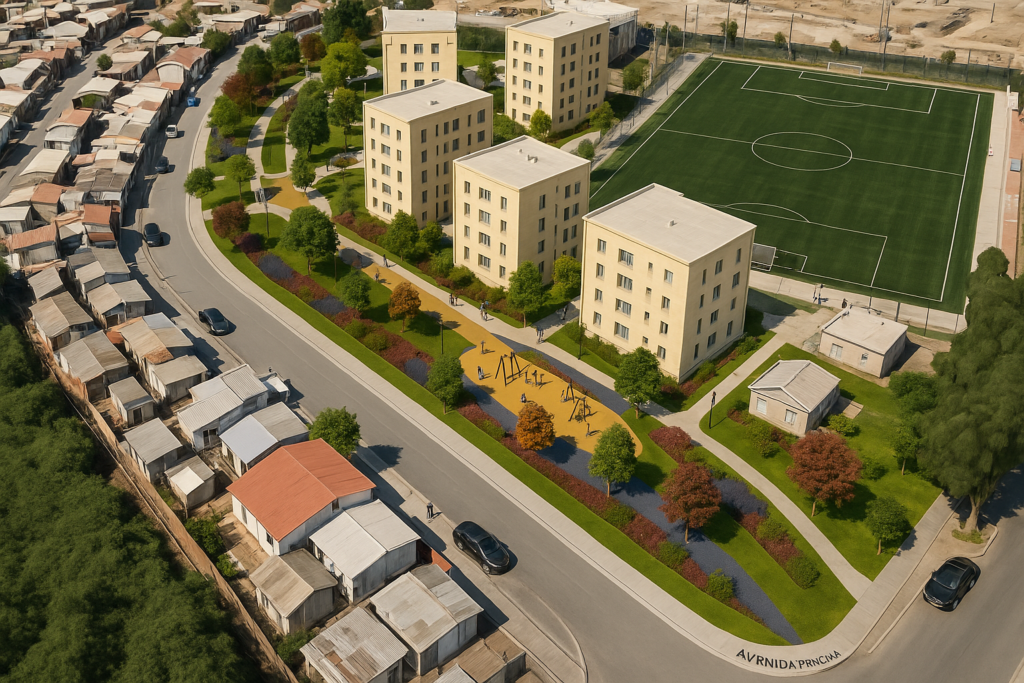
Urban and Typological Strategy
From the outset, Casa S3 was conceived not as an isolated object, but as part of a broader neighborhood fabric. The proposal is based on a standard social housing lot measuring 7.8 x 14.8 meters (approximately 1,237 sq ft), ensuring the project remained grounded in realistic housing conditions.
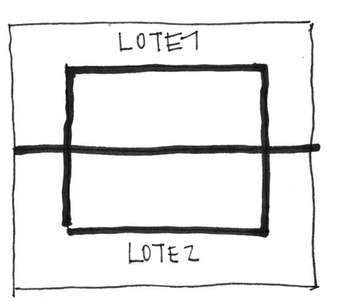
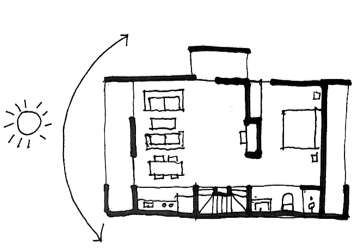
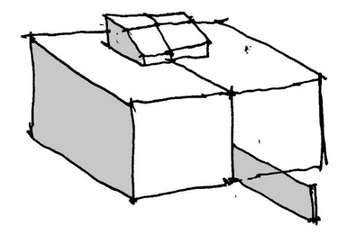
To maximize land-use efficiency and promote energy-conscious living, the design adopts a two-story semi-detached housing typology. This configuration reduces land occupation, benefits from economies of scale, and improves thermal performance by sharing a party wall—minimizing material consumption and heat loss.
Sustainability and Performance
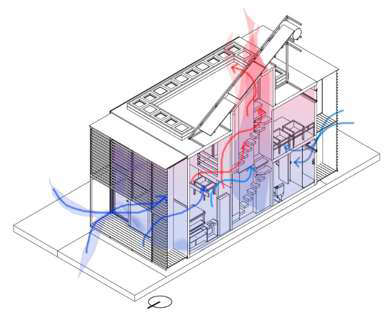
Environmental performance was a central driver of the project. The compact vertical organization, controlled openings, and shared envelope strategy contribute to improved thermal behavior and reduced energy demand. The prototype explored affordable construction methods and sustainable technologies applicable to large-scale social housing developments.
Beyond the Prototype
More than a single housing unit, Casa S3 operates as a replicable model for sustainable social housing. Its public exhibition allowed the project to engage directly with citizens, institutions, and professionals, transforming an academic thesis into a platform for dialogue on housing policy, sustainability, and urban density.
Casa S3 demonstrates how design, research, and construction—when developed together—can produce meaningful, realistic, and socially relevant architectural solutions.